The Quiet Work That Keeps Communities Whole
There is a kind of care that does not demand attention yet changes everything around it. The dispensary run by TOLFA is one of those places.
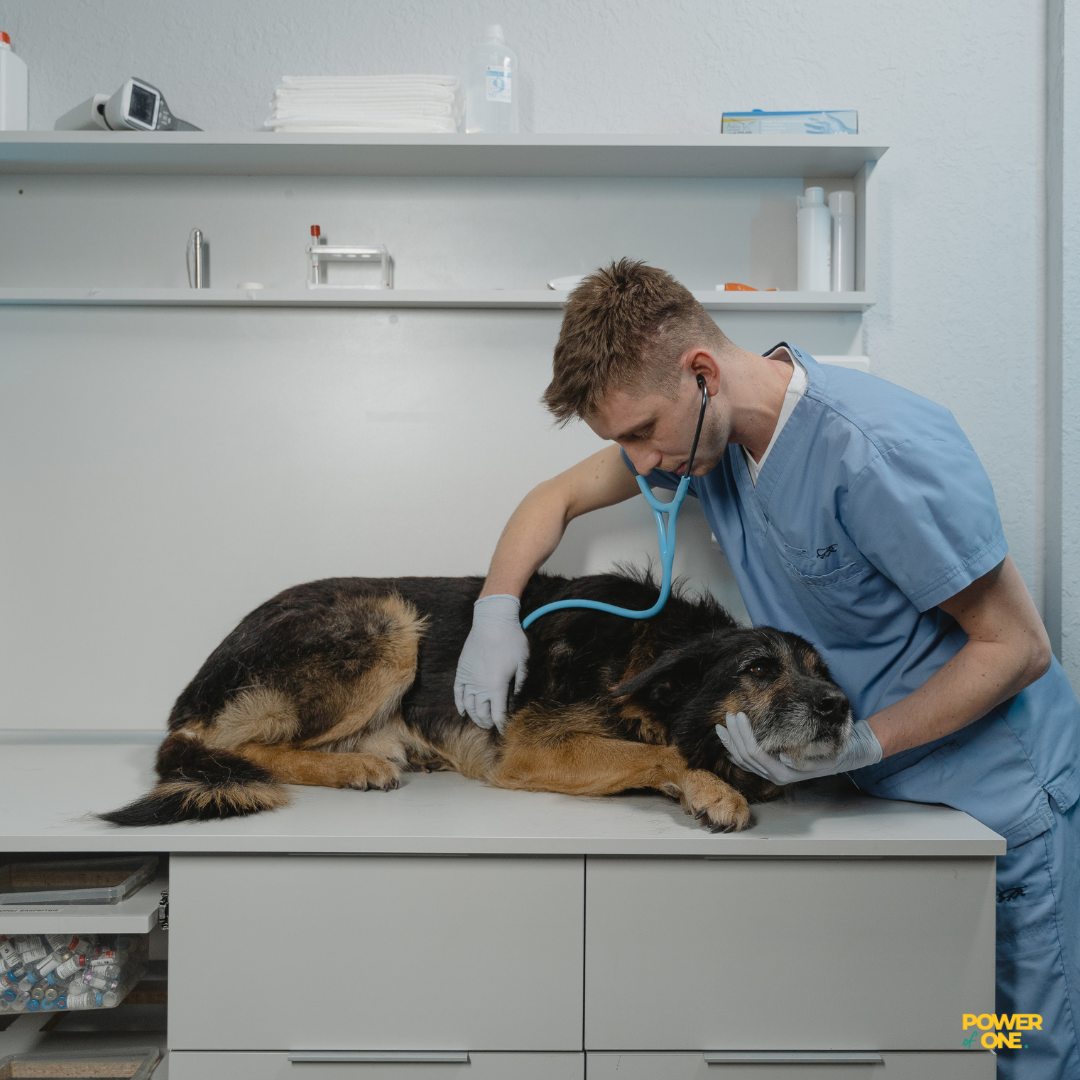
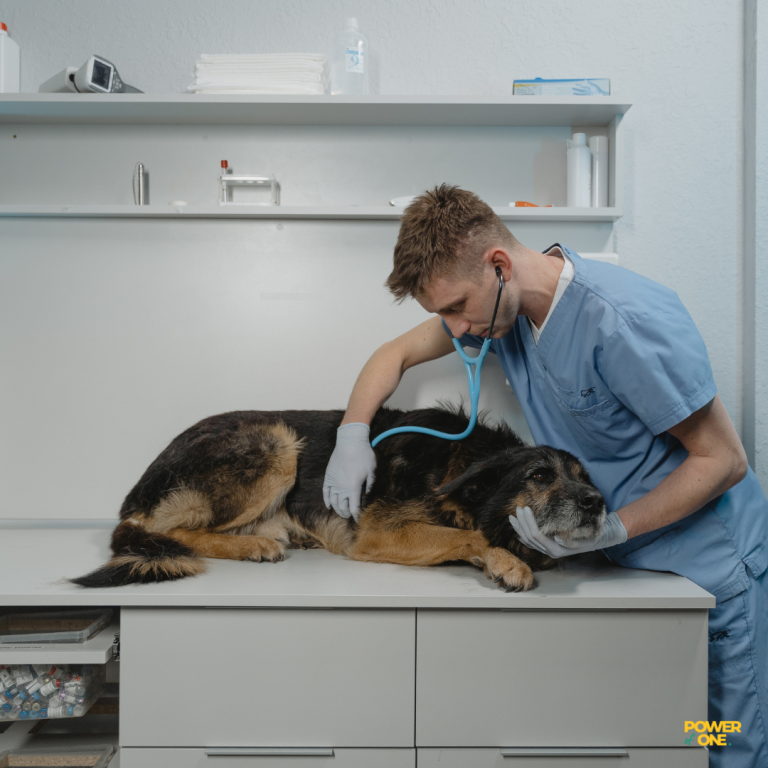
Every day, animal owners arrive with their dogs, cats, and working animals for treatment and check-ups. They come knowing they will be seen. Knowing they will be listened to. Knowing that the care offered will be the very best available to them.
For many families, this is not simply a convenience. It is the difference between help and hardship.
Preventing Suffering Before It Begins
Spaces like TOLFA’s dispensary prevent pain long before it has the chance to grow. Small wounds are treated early. Infections are caught before they become life-threatening. Conditions that might otherwise be ignored due to cost or distance are addressed with compassion and skill.
This kind of access matters more than most of us realise. It stops minor issues from becoming emergencies. It reduces long-term suffering. And it keeps animals from reaching crisis point simply because there was nowhere nearby to turn.
For families who love their animals but have limited options, this support removes the impossible choice between care and survival.
Redefining What Rescue Really Means
When we talk about rescue, we often picture dramatic moments. Urgent call-outs. Animals pulled from danger at the last second. Those moments matter. But they are only one part of the story.
So much real change happens quietly, in the background. It lives in infrastructure. In local clinics. In vets and teams who show up every morning, not for recognition, but to keep their community healthy.
TOLFA has built this foundation with intention and care. The ripple effect reaches far beyond the clinic walls. Healthier animals mean fewer emergencies. Fewer emergencies mean less suffering. And less suffering strengthens entire communities.
A Model of Sustainable Impact
If you want to understand what sustainable rescue looks like, spend time exploring the work TOLFA does. Their approach shows that protecting animals is not only about responding to crisis. It is about building systems that prevent those crises from happening in the first place.
This kind of work rarely makes noise. But it saves lives every single day.
There is a great deal we can learn from that.