Protecting, Not Possessing: A Global Call for Change
The IUCN World Conservation Congress, recently held in Abu Dhabi, stands as one of the most important international gatherings for protecting animals and the planet. It brings together scientists, conservationists, governments, charities, and community leaders from across the globe to shape environmental policy and inspire practical action that reaches beyond borders.
This year’s discussions placed a spotlight on one of the most pressing and often overlooked issues in modern conservation the wildlife pet trade.
The Global Wildlife Pet Trade: A Hidden Crisis
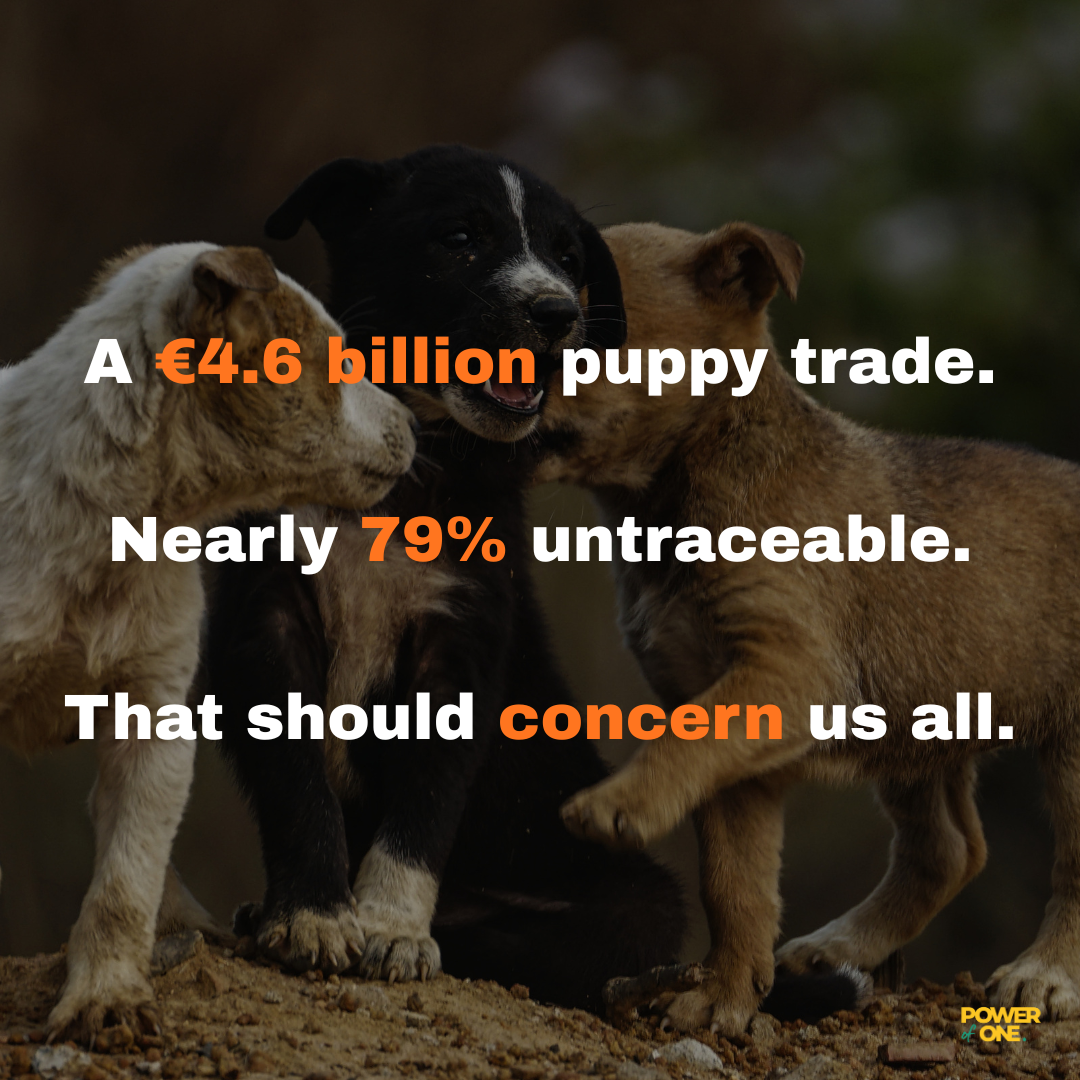
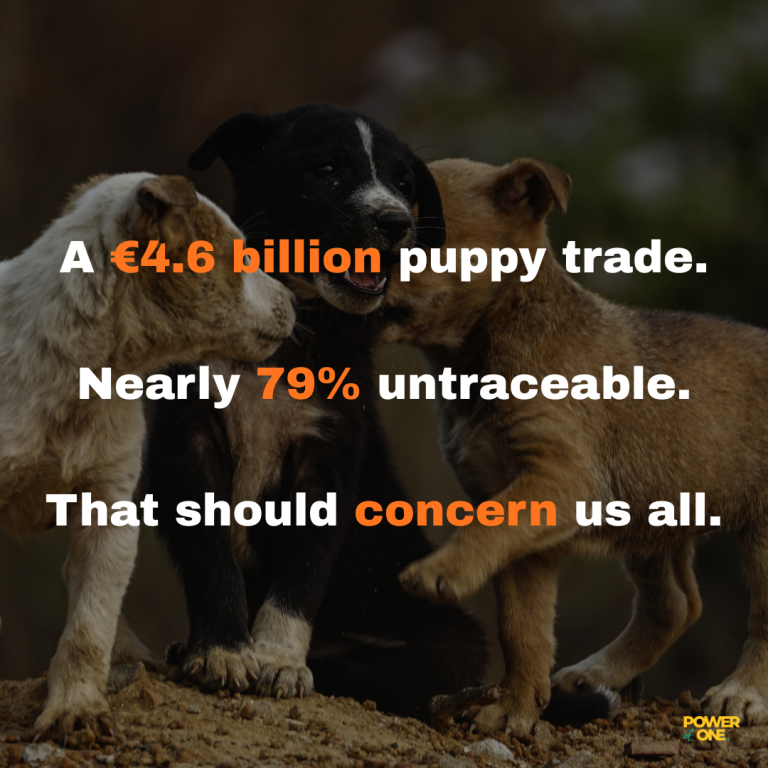
Behind the fascination with owning exotic animals lies an industry worth billions. Each year, millions of wild animals, birds, reptiles, amphibians, and mammals are captured and sold, feeding a global demand for pets, fashion, and entertainment.
The cost of this trade isn’t just financial, it’s ecological and moral.
Animals are removed from delicate ecosystems, transported across continents, and sold into environments where their physical and psychological needs can never be met. Many die long before they reach their destination.
Beyond the suffering of individual animals, this trade threatens entire species, fuels biodiversity loss, and increases the risk of zoonotic disease transmission, the same type of cross-species spread that can lead to global health crises.
A Step Toward Accountability
In response, a new motion was raised at the Congress calling for stronger global guidelines to bring accountability and structure to how wildlife is traded and protected. The proposal outlines several key measures to create lasting change:
👉 Limit trade to species that pose low risk to biodiversity and welfare.
👉 Strengthen enforcement and improve rehabilitation for confiscated or rescued animals.
👉 Educate the public to make responsible, informed choices about pet ownership.
👉 Protect wild habitats by addressing exploitation at its source, not just its aftermath.
These recommendations aim to create a unified international framework, one that ensures animals are no longer treated as commodities but as essential parts of the ecosystems we share.
Why This Matters
At Power of One, we believe real care for animals begins long before rescue, it begins with respect.
When we view wildlife as possessions rather than as living beings with their own place in the world, we perpetuate a cycle that harms both animal welfare and the natural systems humanity depends on. True protection means rethinking what “care” really looks like. It means valuing animals not for what they give us, but for what they are irreplaceable lives that belong in the wild.
Protecting, not possessing, restores balance to nature and to us.
Our Call to Action
Every choice we make has power. As individuals, we can help by:
🐾 Rejecting the demand for wild pets and choosing to adopt, not buy.
🐾 Supporting ethical sanctuaries and rescues that prioritise animal welfare and rehabilitation.
🐾 Raising awareness about the impact of the exotic pet trade in our own communities.
Real change doesn’t begin in conference halls, it begins with everyday decisions.
Together, we can make sure our care protects, not destroys.