Prevention, Action and Impact
How Change Actually Happens on the Ground
Animal welfare is often understood through the lens of rescue. The visible moment where an animal is taken in, treated, and given a second chance. It is important, and it deserves attention.
But it is only one part of a much bigger picture.
A significant amount of meaningful change happens before a situation ever reaches that point. It happens in communities, through early intervention, education, and consistent support that prevents suffering from escalating in the first place. This is the work that is less visible, but often has the greatest long term impact.
On the Ground in Mbaula
In Mbaula, South Africa, Haart recently ran an outreach clinic focused on early intervention and community support. Working alongside veterinary students from Yuverta mbo in the Netherlands, their team and local volunteers spent the weekend delivering hands-on care.
Over 80 dogs were seen.
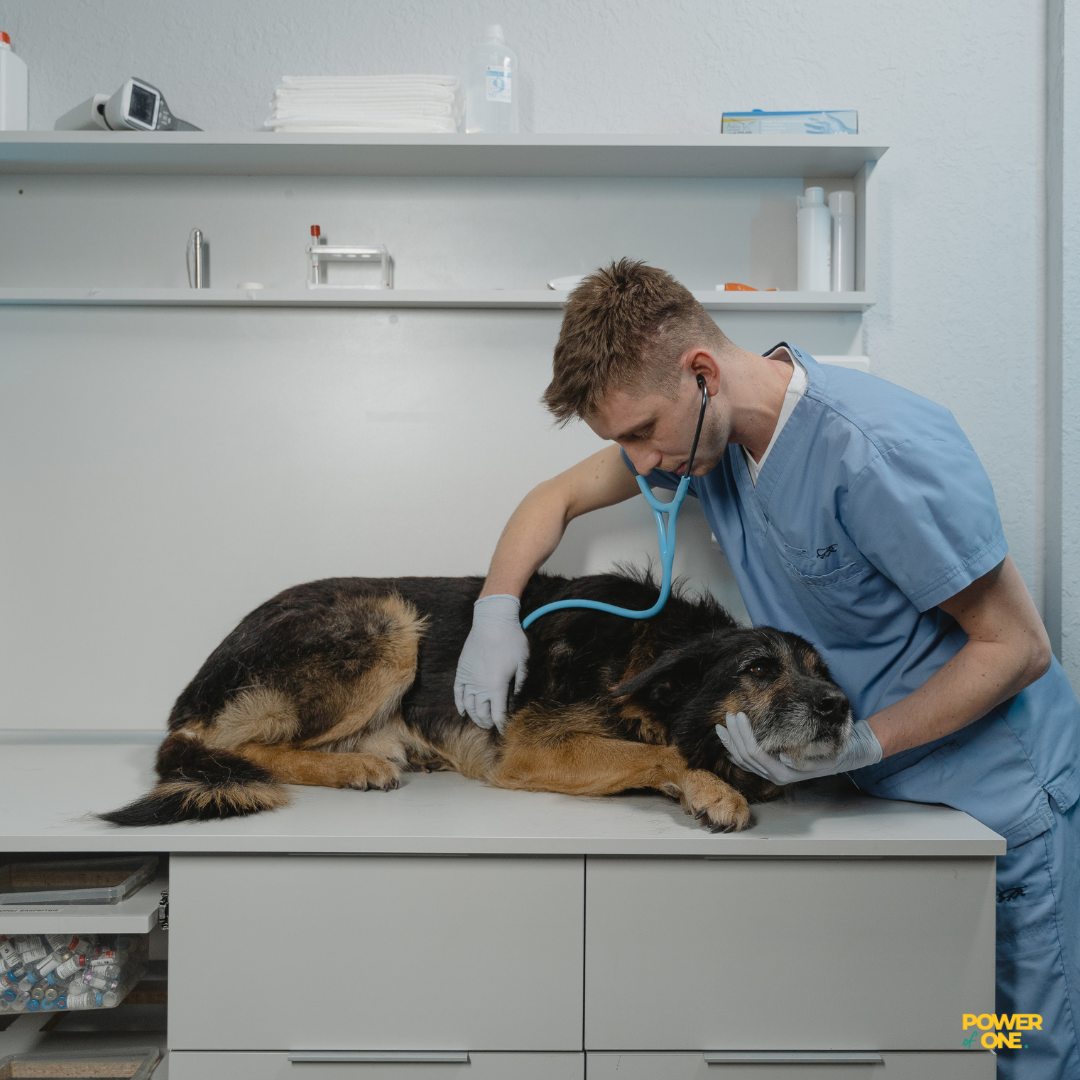
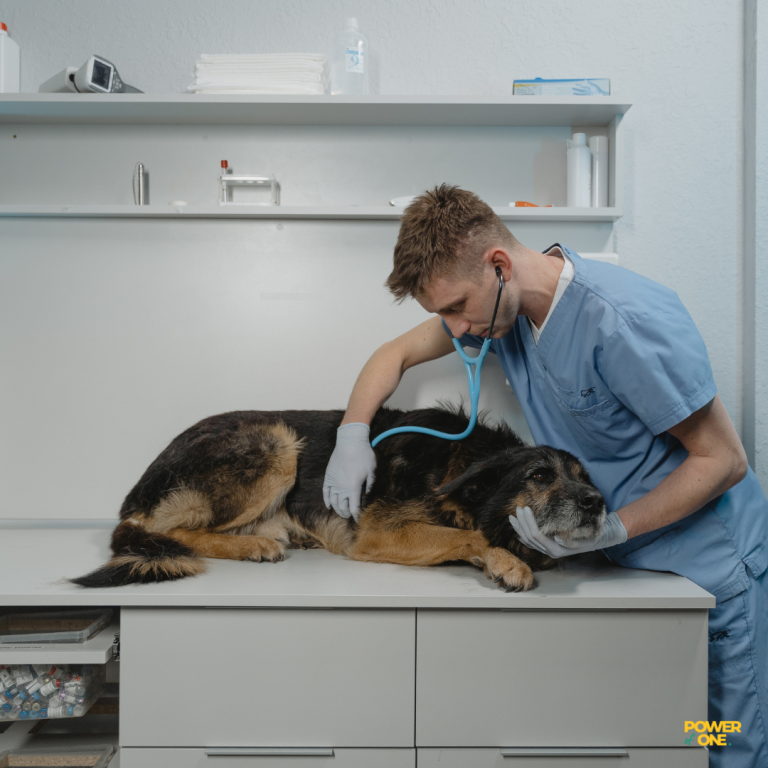
Some required basic health checks. Others needed more immediate treatment, including wound care, tick removal, and cleaning of injuries. Essential vaccinations were also administered, helping to prevent the spread of disease and reduce longer term risk.
This type of work is often less visible than rescue.
But it is just as critical.
Why Prevention Matters
In many communities, access to veterinary care is limited. Conditions that could be treated early are often left to worsen, leading to more serious health issues and, in some cases, the need for full rescue intervention.
Outreach clinics like this change that trajectory.
- They allow issues to be identified early.
- They reduce unnecessary suffering.
- They support owners and communities in caring for their animals more effectively.
Alongside treatment, there is also an important focus on education. Engaging with local communities, building understanding, and creating a connection between people and animal welfare.
Because long term change does not come from one off interventions.
It comes from knowledge being shared, behaviours shifting, and communities being part of the solution.
From Awareness to Action
The impact of this work is not limited to what happens on the day.
It is supported by actions taking place far beyond Mbaula.
Students from Yuverta mbo in the Netherlands raised R57,000, approximately £2,400, to support HAART’s work.
That funding is being used in practical, immediate ways.
- It is helping repair fencing following flooding in the area.
- It is contributing to the treatment of dogs recovering from serious injuries, including broken legs and pelvis damage.
- It is supporting the day to day running of rescue, rehabilitation, and ongoing care for animals with no alternative support.
This is what it looks like when awareness becomes action.
A Connected Effort
What stands out is the connection between these efforts.
- Students travelling internationally to support clinics on the ground.
- Local volunteers working within their own communities.
- Fundraising taking place in a different country to support work happening elsewhere.
Different starting points, but a shared outcome.
It highlights how animal welfare is not confined to one place. The impact of a decision in one part of the world can directly affect outcomes in another.
What Happens Next
The significance of the clinic is not just in the number of dogs treated over the weekend.
It is in what follows.
- The knowledge that remains within the community.
- The improved health of the animals seen.
- The reduced likelihood of preventable conditions escalating.
And the continued ability of organisations like HAART to respond, supported by people who have chosen to get involved.
Why It Matters
Animal welfare does not move forward through isolated moments. It progresses through sustained effort. Prevention, intervention, and ongoing support working together.
This is what that looks like in practice.
- Not just rescue, but reducing the need for it.
- Not just awareness, but action.
- Not just a moment, but lasting impact.