Animal Welfare Before Crisis Hits
Our friends at HAART held a huge Outreach Health Clinic in Phalaubeni this weekend, with around 100 dogs brought along by the local community.
Many of the dogs had been seen by the team before, but a number were new to HAART. That matters, because every new dog reached is another animal brought into a system of care before things become more serious.
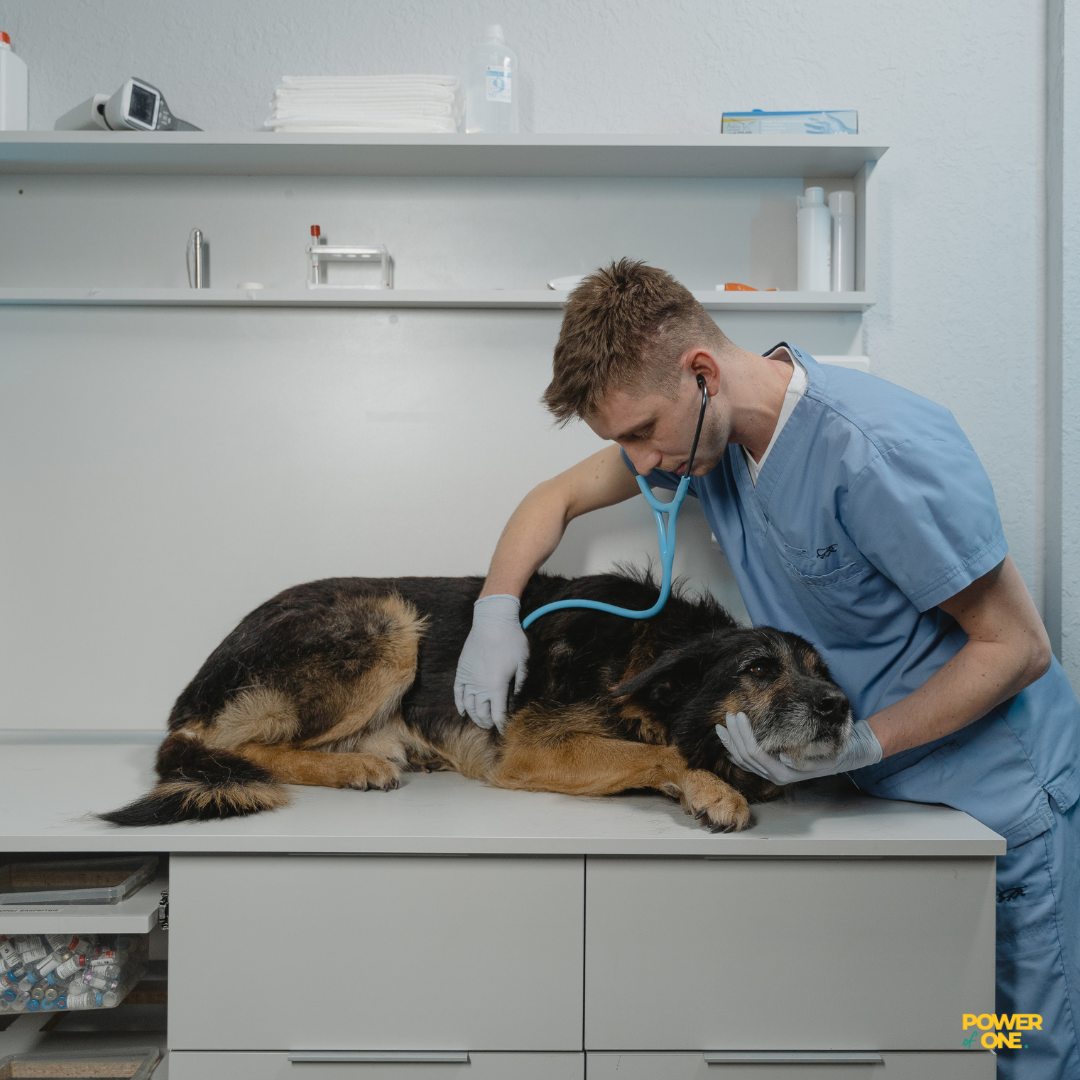
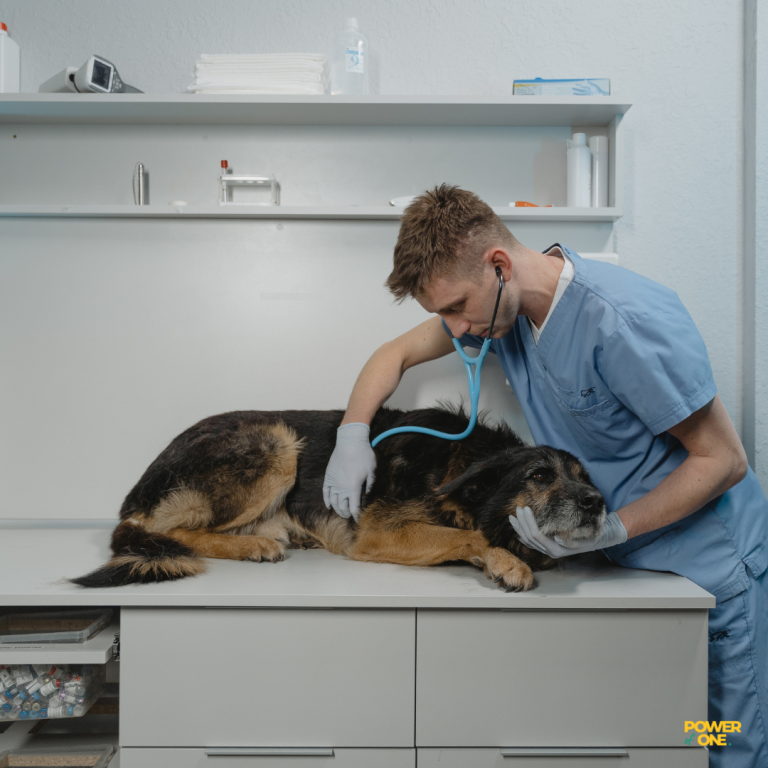
At the clinic, dogs were vaccinated, dewormed, treated for ticks and fleas, and had wounds cleaned. These may sound like simple treatments, but in animal welfare, simple care can be the difference between a manageable problem and a life threatening crisis.
Prevention Is Not a Small Thing
When people think about rescue, they often picture the emergency cases. The starving dog. The injured animal. The desperate call for help. Those cases matter deeply. But animal welfare cannot only begin when an animal is already in crisis.
A vaccination can prevent disease from spreading. Deworming can protect a dog’s health and condition. Tick and flea treatment can reduce irritation, infection and discomfort. Cleaning a wound early can stop it becoming something far worse.
This is the quieter side of animal welfare, but it is one of the most important.
It is not dramatic. It is not always the kind of work that gets the biggest reaction online. But it protects dogs from suffering that may otherwise have been avoided.
Reaching Dogs That May Otherwise Be Missed
In many communities, access to veterinary care is not simple. Cost, transport, distance, awareness and availability can all stand between an animal and the help they need.
That is why outreach clinics are so important.
They take care into the community, rather than expecting every family to find a way to reach it. They create a point of contact. They allow teams to see dogs, speak to owners, spot problems early and build trust over time.
For the dogs brought to the clinic in Phalaubeni, this meant immediate treatment. For the wider community, it meant another step towards normalising regular animal care.
When animal care becomes familiar, accessible and part of everyday life, welfare improves long before emergency intervention is needed.
Education Starts With Inclusion
One of the most powerful parts of the day was the community feel around the clinic.
Children joined in with Animal Art, football, hula and dance activities. That may sound separate from the medical work, but it is closely connected.
When children are included in positive animal welfare spaces, they learn that caring for animals is normal. They see dogs being treated with patience. They see adults working together to help them. They associate animal care with community, kindness and responsibility.
That is how attitudes begin to form.
Education does not always have to look like a formal lesson. Sometimes it looks like a child watching a dog receive care. Sometimes it looks like a conversation with a volunteer. Sometimes it looks like making the day feel welcoming enough that people want to come back next time.
For Power of One, that is a vital part of lasting change.
Animal welfare is not only about treating animals. It is about helping communities feel informed, involved and supported.
Partnership Makes the Work Possible
The clinic was supported by dog trainer students from Yuverta mbo in the Netherlands, alongside Global 2by2, MSD South Africa, volunteers and HAART’s Animal Warriors.
That kind of collaboration is important because sustainable animal welfare rarely comes from one person or one organisation working alone.
It takes veterinary support. It takes volunteers. It takes local knowledge. It takes education. It takes people who are willing to show up, do the practical work, and keep going even when the problems feel too big.
The Phalaubeni clinic is a reminder that progress often comes through joined up action.
Not one dramatic moment, but many useful actions happening at the same time.
Dogs treated. Owners supported. Children engaged. Volunteers involved. Students learning. Communities connected.
The Bigger Picture
At Power of One, we believe this is the kind of work that deserves more attention.
Because when prevention is done well, suffering is reduced before it becomes visible to the wider world.
A dog who is vaccinated may never become the emergency case. A wound cleaned early may never become a severe infection. A child who grows up around positive animal care may become an adult who treats animals differently. A community that trusts an outreach team may be more likely to ask for help sooner next time.
That is why clinics like this matter.
They are not only treating the dogs in front of them. They are helping build a stronger foundation for animal welfare in the community.
Care That Reaches Further
Around 100 dogs were helped in Phalaubeni over 1 weekend.
Some received protection from disease. Some received relief from parasites. Some had wounds cleaned. Some were seen by HAART for the first time.
But the impact goes further than the number of dogs treated.
Every clinic builds trust. Every conversation creates awareness. Every child included helps shape a different relationship with animals. Every dog reached early is a reminder that prevention is not secondary to rescue.
It is one of the strongest forms of rescue there is.
This is animal welfare before crisis hits.